
Aamir Khan Lost 18 kg — And He Wasn’t Even Trying
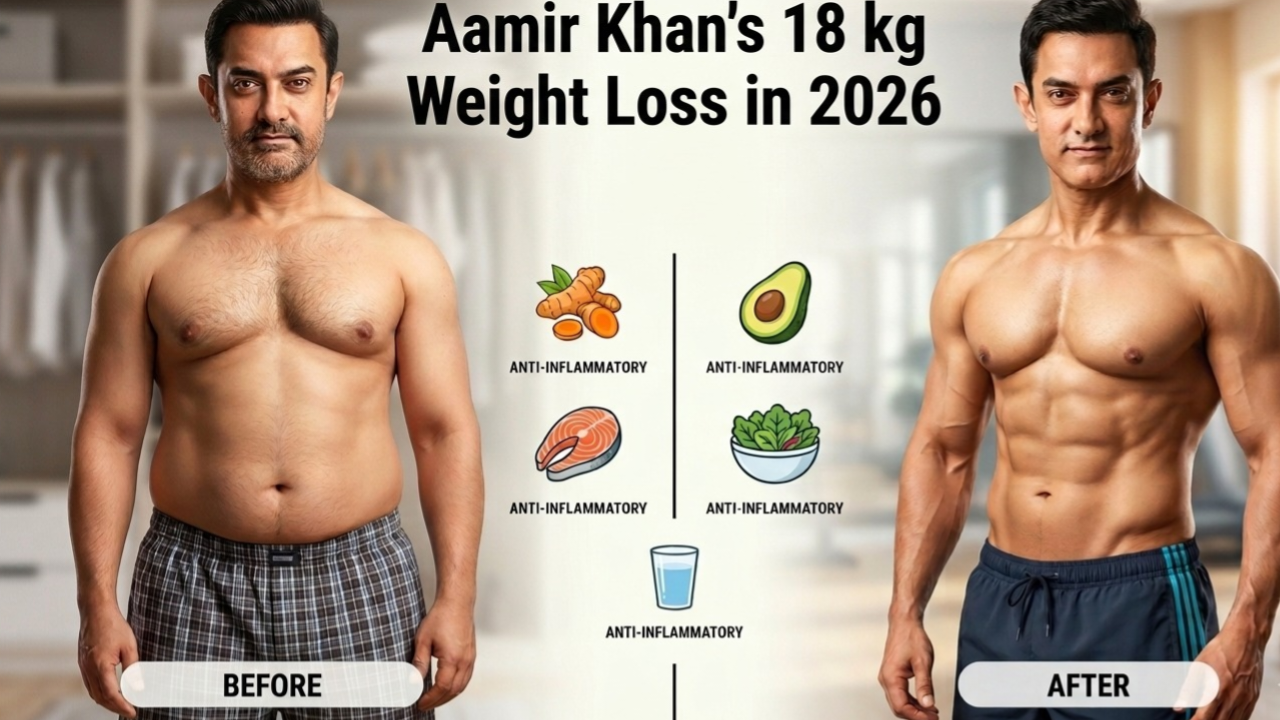
At 60 years old, Aamir Khan shed 18 kilograms by following an anti-inflammatory diet — not to lose weight, but to manage his chronic migraines. The weight loss, he said, “happened by default.” He described the diet as working “like magic,” adding that not only did he lose 18 kg, but his migraines also reduced considerably. The diet primarily involves eliminating processed foods, refined sugars, unhealthy fats, and refined carbohydrates, while increasing whole foods — fruits, vegetables, lean proteins, whole grains, nuts, seeds, and healthy fats like olive oil.
The Story: How Aamir Khan’s Transformation Shocked Bollywood
When Aamir Khan appeared at a public event in early 2026, the internet stopped scrolling. India’s most methodical actor — the man who gained 28 kg for Dangal and then spent months sculpting himself back — had transformed again. But this time was different.
There was no upcoming film role driving it. No trainer-designed bulk-and-cut program. No dramatic before-and-after reveal planned for a movie promotion. Aamir Khan had simply lost 18 kilograms — and it had happened almost accidentally.
In an interview with Bollywood Hungama that quickly went viral across every Indian entertainment platform, Aamir explained what happened. He had been suffering from persistent migraines for some time and had adopted a new diet on medical advice to manage the condition. The weight loss was a side effect, not the goal.
“Eighteen kilos, actually,” he said, when asked about his transformation. “It happened by default. The new diet I am following for health reasons is working like magic for me. I undertook the diet for the migraines. It is an anti-inflammatory diet. I not only lost eighteen kgs, my migraines have also reduced considerably.”
That single interview sparked a wave of searches across India that is still running strong months later. Millions of people — many of them dealing with their own inflammation-related conditions, weight struggles, or chronic headaches — wanted to know: what exactly is an anti-inflammatory diet, and can it work for them too?
This article answers that question completely.
What Is an Anti-Inflammatory Diet? (The Science Behind Aamir’s Transformation)
The term “anti-inflammatory diet” does not refer to a single rigid eating plan. It describes a broad style of eating designed to reduce chronic inflammation in the body — a condition that, when left unchecked, contributes to weight gain, fatigue, joint pain, brain fog, migraines, and is linked to the development of serious diseases including heart disease, type 2 diabetes, and certain cancers.
According to research published by the National Institutes of Health (NIH), chronic inflammation significantly contributes to the development and progression of many non-communicable diseases, including cardiovascular disease and neurocognitive decline. Anti-inflammatory diets work by providing nutrients that directly dampen the inflammatory response while also modulating the body’s metabolic processes.
The two most well-researched versions of the anti-inflammatory diet are the Mediterranean diet and the DASH diet (Dietary Approaches to Stop Hypertension). Both have been shown in clinical studies to reduce levels of inflammatory biomarkers in the blood, as well as cholesterol, blood pressure, and body weight.
In simple terms: what you eat either feeds inflammation or fights it. The anti-inflammatory diet is about making the body an environment where inflammation cannot thrive.
Why Did the Anti-Inflammatory Diet Help Aamir Khan’s Migraines?
This is the part of the story that most articles miss — and it is the most important piece.
Chronic migraines are deeply connected to inflammation. The trigeminal nerve, which is responsible for migraine pain, becomes sensitised during episodes of inflammation. Certain foods are well-established migraine triggers precisely because they promote inflammatory responses: processed foods, alcohol, refined sugars, aged cheeses, cured meats, and artificial additives all fall into this category.
By switching to an anti-inflammatory eating style — removing these trigger foods and replacing them with whole, nutrient-dense alternatives — Aamir Khan was addressing the root cause of his migraines rather than just managing symptoms. The reduction in neurological inflammation appears to have simultaneously reduced migraine frequency and, as a natural consequence of eliminating calorie-dense processed foods, produced significant weight loss.
This is precisely why he says the weight loss “happened by default.” He was not calorie-counting. He was not doing extra exercise. He was simply removing the foods that drove inflammation — and his body responded by dropping 18 kilograms.
Aamir is not alone in this experience. Actress Vidya Balan also spoke about following an anti-inflammatory diet in a 2024 interview and reported similar improvements in her health.
The Anti-Inflammatory Diet: What to Eat (The Complete Indian Guide)
Here is a comprehensive, India-friendly breakdown of what the anti-inflammatory diet includes — organised by food category.
Vegetables — Eat Abundantly
The foundation of the diet. The goal is variety and colour — the wider the range of colours on your plate, the broader the spectrum of antioxidants and anti-inflammatory compounds you are consuming.
Top choices: Spinach, methi (fenugreek leaves), palak, broccoli, cabbage, cauliflower, carrots, sweet potatoes, tomatoes, bell peppers, bitter gourd (karela), drumstick (moringa), beetroot, and all leafy greens. Tomatoes and carrots in particular contain antioxidants that lessen the damaging effect of free radicals, which are a key driver of inflammation, according to Harvard Medical School.
Fruits — Eat Daily
Fruit provides natural sugars, fibre, and a powerful range of antioxidants. The key is whole fruit — not fruit juice, which removes the fibre and concentrates the sugar.
Top choices: Berries of all kinds (strawberries, blueberries, jamun), pomegranate, guava, papaya, amla (Indian gooseberry — one of the most potent anti-inflammatory foods known), citrus fruits (oranges, grapefruit, mosambi), apples, and mangoes in moderation.
Berries deserve special mention: they contain antioxidants called anthocyanins, which have direct anti-inflammatory effects and may reduce the risk of several diseases, according to research reviewed by Healthline.
Whole Grains — Replace Refined Carbs
One of the most important switches in the anti-inflammatory diet is replacing refined carbohydrates (white rice, maida, white bread) with whole grains. Refined flours lead directly to a pro-inflammatory state in the body, according to Harvard Health.
Top choices: Brown rice, oats, quinoa, millets (bajra, jowar, ragi — all traditionally Indian and highly anti-inflammatory), whole wheat roti, barley, and dalia.
Healthy Fats — Prioritise These
Not all fats are equal. The anti-inflammatory diet eliminates trans fats and saturated fats while actively including anti-inflammatory omega-3 fatty acids and monounsaturated fats.
Top choices: Extra-virgin olive oil (for cooking at low-medium heat), mustard oil (a traditional Indian oil with strong anti-inflammatory properties), flaxseeds, chia seeds, walnuts, and fatty fish.
Protein — Lean and Plant-Based
Protein is essential, but the source matters enormously on the anti-inflammatory diet.
Top choices: Fish (especially fatty fish like salmon, mackerel, sardines, and rohu — rich in omega-3s), chicken (grilled or baked, not fried), eggs, dal (lentils of all kinds — one of India’s greatest anti-inflammatory superfoods), rajma (kidney beans), chhole (chickpeas), tofu, paneer in moderation, and unsalted nuts and seeds.
Johns Hopkins Medicine highlights omega-3 fatty acids found in fatty fish as one of the most powerful inflammation fighters available — and a plant-based source of these same omega-3s is found in walnuts and flaxseeds, making this diet very accessible for vegetarians.
Spices — India’s Secret Anti-Inflammatory Arsenal
This is where the Indian diet has a tremendous natural advantage. Many of the most potent anti-inflammatory compounds in the world are found in spices that Indian cuisine uses every single day.
Turmeric (Haldi): Contains curcumin, one of the most extensively studied anti-inflammatory compounds in nutritional science. Use generously in dals, curries, and milk.
Ginger (Adrak): Has powerful anti-inflammatory and antioxidant effects. Fresh ginger in chai, sabzi, or as a tea is ideal.
Cinnamon (Dalchini): Studies cited by Harvard Health suggest modest anti-inflammatory benefits. Excellent in oatmeal or warm drinks.
Garlic (Lehsun): Contains sulphur compounds that stimulate the immune system and fight inflammation. Use fresh, not powdered.
Cumin (Jeera), Coriander (Dhaniya), and Black Pepper: All carry anti-inflammatory properties. Standard Indian cooking that uses these spices is already partially anti-inflammatory by design.
Beverages
Green tea: Rich in EGCG, a powerful anti-inflammatory antioxidant. Two to three cups daily is beneficial.
Herbal teas: Ginger tea, turmeric milk (haldi doodh), and tulsi tea are all strongly anti-inflammatory.
Water: Staying well-hydrated helps flush inflammatory by-products from the body.
Coffee: Emerging research suggests coffee, including decaffeinated, may have anti-inflammatory properties through the gut-brain axis.
What to Avoid on the Anti-Inflammatory Diet (The Elimination List)
This is the side of the diet that drives the most dramatic results — and the most challenging adjustments.
Foods to Cut or Drastically Reduce
Refined carbohydrates: White rice (switch to brown or millets), maida-based bread, biscuits, white pasta, naan made with refined flour, most commercially baked goods.
Processed and packaged foods: Instant noodles, packaged chips, frozen ready meals, packaged snacks of almost any kind. These are loaded with refined oils, added sugars, preservatives, and artificial additives — all of which promote inflammation.
Added sugars: Cold drinks, packaged fruit juices, mithai in large quantities, ice cream, commercial sauces and ketchup (which are often high in hidden sugar). Sugar is one of the primary drivers of the chronic inflammatory state.
Unhealthy fats: Vanaspati (hydrogenated vegetable fat), dalda, refined vegetable oils used repeatedly at high heat, deep-fried foods of all kinds — pakoras, samosas, puri cooked in refined oil.
Processed meats: Sausages, salami, deli meats, and cured meats contain preservatives and pro-inflammatory compounds.
Alcohol: A well-established driver of systemic inflammation.
Red meat in excess: Not eliminated entirely, but significantly reduced. Lean cuts in small quantities are acceptable; daily consumption of red meat is not.
Aamir Khan’s Likely Daily Anti-Inflammatory Meal Plan
Aamir has not publicly shared a full daily meal schedule, but based on the principles of the anti-inflammatory diet and what is known about his eating habits, this is what a typical day on his style of eating would look like.
Morning (wake-up): Warm water with lemon and a small piece of fresh ginger. This kick-starts digestion and begins the day with anti-inflammatory compounds.
Breakfast: A bowl of oats or ragi porridge with fresh berries, a handful of walnuts, and a drizzle of honey. Or: two boiled eggs with whole grain toast and a green tea.
Mid-morning: A piece of whole fruit (guava, apple, or papaya) and a small handful of almonds or walnuts.
Lunch: Brown rice or bajra roti with a generous dal (preferably masoor or moong), a vegetable sabzi cooked in mustard oil or olive oil with turmeric and ginger, and a cucumber-tomato salad. Curd (probiotic benefit) on the side.
Evening: Green tea or haldi doodh. A small handful of mixed seeds (flaxseed, chia, sunflower seeds).
Dinner: Grilled fish or chicken with roasted vegetables, or a large vegetable khichdi made with whole moong and brown rice, seasoned with ghee, jeera, and haldi. Dinner kept light and early — ideally finished before 8 PM.
Before bed: Warm turmeric milk or herbal tea.
Aamir Khan’s Other Physical Transformations: A Legacy of Discipline
This is not Aamir’s first dramatic physical transformation — it may simply be his most surprising, because it required the least effort.
For Dangal (2016), he gained 28 kg to portray the older Mahavir Singh Phogat and then lost 25 kg over five months through a rigorous exercise regime and calorie restriction under the guidance of fitness trainer Rahul Bhatt. That transformation was the product of intense, planned effort.
For Ghajini (2008), he built a lean, muscular physique that launched a nationwide fitness conversation and had gyms across India newly full of young men wanting “Ghajini arms.”
For PK (2014), he stripped himself back to a leaner, more minimalist frame.
Each of these transformations was deliberate, role-driven, and intensely effortful. The 2026 transformation is different in a way that makes it arguably more interesting: it was a side effect of healing, not a performance of discipline. Aamir Khan was not training for a movie. He was taking care of his health — and his body rewarded him.
At 60 years old, the lesson is significant: sustainable transformation may come more easily through addressing the underlying conditions driving poor health than through sheer caloric restriction and intense exercise.
Can the Anti-Inflammatory Diet Work for You?
The honest answer, backed by science: yes, for most people, some version of this dietary pattern will produce meaningful health improvements — and for many people, weight loss will follow naturally.
According to Cleveland Clinic nutrition experts, the biggest sign the diet is working is simply feeling better — improved energy, reduced pain, better digestion, and clearer thinking are among the most commonly reported early benefits.
However, the scientific literature is clear on one important point: there is no single “anti-inflammatory diet.” It is not a rigid protocol. It is a style of eating — a pattern of prioritising whole, unprocessed foods and reducing the foods that have been shown to drive inflammatory responses in the body. The Mediterranean diet and DASH diet are the two most evidence-backed versions.
For Indians specifically, the good news is that traditional Indian cooking — dal, sabzi, turmeric-laden curries, curd, and roti made from whole grains — is already quite aligned with anti-inflammatory principles. The most significant changes are typically the elimination of excess refined oil, maida, added sugar, packaged snacks, and cold drinks.
Who should be cautious:
Anyone with existing medical conditions, food allergies (particularly to whole grains, fish, nuts, or eggs), or those who are pregnant should consult a registered dietitian or physician before making significant dietary changes. The anti-inflammatory diet is a lifestyle approach, not a quick fix — and individual inflammatory triggers vary significantly from person to person.
Aamir Khan 2026: What’s He Working On?
Currently, Aamir Khan is focused on producing rather than starring in front of the camera. His production Happy Patel: Khatarnak Jasoos, starring Vir Das and Mithila Palkar, is one of his upcoming projects. He continues to be deeply involved in Bollywood both creatively and as a producer, even as he steps back somewhat from leading-man roles.
His leaner, healthier appearance in 2026 has reignited enormous public interest — not just in his filmography, but in the diet and lifestyle approach that got him there.
FAQs
How did Aamir Khan lose 18 kg in 2026?
Aamir Khan lost 18 kg by following an anti-inflammatory diet that he adopted to manage chronic migraines. He has said the weight loss “happened by default” — it was a side effect of the diet, not the goal. He did not follow any specific exercise program for the weight loss.
What is Aamir Khan’s anti-inflammatory diet?
The anti-inflammatory diet involves eliminating processed foods, refined sugars, unhealthy fats, and refined carbohydrates, while increasing whole foods — vegetables, fruits, whole grains, legumes, lean proteins, healthy fats (olive oil, nuts, seeds), and anti-inflammatory spices like turmeric, ginger, and garlic.
Did Aamir Khan exercise to lose weight in 2026?
Based on his own statements, the weight loss was primarily diet-driven and happened “by default.” He has not credited a specific exercise program for this particular transformation.
Is the anti-inflammatory diet safe for Indians?
Yes. Traditional Indian ingredients — turmeric, ginger, garlic, dal, curd, vegetables, and millets — are naturally aligned with anti-inflammatory eating. The key changes are reducing maida, refined oils, added sugar, and packaged foods.
How long does it take to lose weight on an anti-inflammatory diet?
Results vary by individual. Aamir Khan’s transformation appears to have developed over several months. The diet is not a quick-fix protocol — it is a long-term lifestyle change. Most people begin noticing improved energy and reduced bloating within 2–4 weeks.
Can the anti-inflammatory diet cure migraines?
It cannot cure migraines, but it can significantly reduce their frequency and severity by eliminating common dietary triggers. Aamir Khan has said his migraines “reduced considerably” after adopting the diet. Always consult a neurologist for migraine treatment.
What foods does Aamir Khan avoid on this diet?
While he has not published a specific list, the anti-inflammatory diet eliminates processed foods, refined flour (maida), sugar, refined vegetable oils, deep-fried foods, packaged snacks, cold drinks, cured meats, and alcohol.
How much weight did Aamir Khan lose in 2026?
Aamir Khan lost 18 kilograms. He revealed this in an interview with Bollywood Hungama in January 2026, calling the transformation a by-product of his anti-inflammatory diet for migraines.
What is Aamir Khan’s age in 2026?
Aamir Khan turned 61 in 2026. He was born on March 14, 1965.
Is the anti-inflammatory diet the same as the Mediterranean diet?
They overlap significantly. The Mediterranean diet is the most well-studied version of anti-inflammatory eating. Both prioritise whole grains, vegetables, fruits, healthy fats, fish, and lean proteins while limiting processed foods, refined carbs, and sugar.
The Bottom Line
At 60, Aamir Khan did not set out to transform his body. He set out to heal his head. And in the process of eating in a way that reduced inflammation, he lost 18 kilograms — quietly, steadily, and without the dramatic regimen we associate with his previous transformations.
The story is a powerful reminder that the most effective dietary changes are often the ones you make for your health rather than for your appearance. When you remove the foods that damage your body and replace them with whole, nourishing alternatives, the weight — and in Aamir’s case, the migraines — tend to take care of themselves.
The anti-inflammatory diet is not a trend. It is backed by decades of nutritional science, endorsed by institutions from Harvard to Johns Hopkins, and now, perhaps most persuasively of all for Indian audiences, confirmed by the meticulous Mr. Perfectionist himself.
Always consult a registered dietitian or physician before making significant changes to your diet, especially if you have underlying health conditions.
Read more
- Met Gala 2026 Best and Worst Dressed — Every Look Ranked
- Megan Thee Stallion Biography 2026: From Houston Freestyle Queen to Broadway Star
- Don 3 Casting Controversy: Ranveer Singh’s Exit, SRK’s Possible Return
- Euphoria Season 3 — Premiere, Cast, Plot & Everything You Need to Know
- Every TV Show Cancelled in 2026 So Far